KJV · Capítulo 3
Matthew 3
Lectura, reflexión y descubrimiento
Selecciona un versículo para leer notas, guardarlo o compartir una reflexión.
1
2
3
4
5
6
7
8
9
10
11
12
13
14
15
16
17
Escuchar este capítulo▾
Narración
Cartesia
Verso 1
Auto
Progreso1 / 17
Anotaciones
Selecciona un versículo para ver anotaciones específicas o ver todas abajo
CI
@ci.scofield·3 days ago
“Pharisees” — So called from a Heb. word meaning "separate." After the ministry of the post-exilic prophets ceased, godly men called "Chasidim" (saints) arose who sought to keep alive reverence for the law amongst the descendants of the Jews who returned from the Babylonian captivity. This movement degenerated into the Pharisaism of our Lord's day-- a letter-strictness which overlaid the law with traditional interpretations held to have been communicated by Jehovah to Moses as oral explanations of equal authority with the law itself. (cf. Matthew 15:2,3; Mark 7:8-13; Galatians 1:14).
The Pharisees were strictly a sect. A member was "chaber" (i.e. "knit together,") Judges 20:11 and took an obligation to remain true to the principles of Pharisaism. They were correct, moral, zealous, and self-denying, but self-righteous Luke 18:9 and destitute of the sense of sin and need Luke 7:39. They were the foremost prosecutors of Jesus Christ and the objects of His unsparing denunciation (e.g.); Matthew 23:13-29; Luke 11:42,43
— C. I. Scofield, Scofield Reference Bible notes (1917 ed.), text via Wikisource
#commentary
CI
@ci.scofield·3 days ago
“Sadducees” — Not strictly a sect, but rather those amongst the Jews who denied the existence of angels or other spirits, and all miracles, especially the resurrection. They were the religious rationalists of the time Mark 12:18-23; Acts 5:15-17; 23:8 and strongly entrenched in the Sanhedrin and priesthood; Acts 4:1; 5:17. They are identified with no affirmative doctrine, but were mere deniers of the supernatural.
— C. I. Scofield, Scofield Reference Bible notes (1917 ed.), text via Wikisource
#commentary
CI
@ci.scofield·3 days ago
“Suffer it to be so” — Why one who needed no repentance should insist upon receiving a rite which signified confession (Matthew 3:6) and repentance (Matthew 3:11) is nowhere directly explained. It may be suggested:
(1) That Jesus was now to receive His anointing with the Holy Spirit (Matthew 3:16) unto His threefold office of Prophet, Priest, and King. In the Levitical order Exodus 29:4-7 the high priest was first washed, then anointed. While Christ's priestly work did not begin till He "offered Himself without spot to God" Hebrews 9:14 and His full manifestation as the King- Priest after the order of Melchizedek awaits the kingdom (See Scofield "Genesis 14:18") yet He was then anointed, once for all.
(2) But John's baptism was the voice of God to Israel, and the believing remnant responded (Matthew 3:5). It was an act of righteousness on the part of Him who had become, as to the flesh, an Israelite, to take His place with this believing remnant.
— C. I. Scofield, Scofield Reference Bible notes (1917 ed.), text via Wikisource
#commentary
CI
@ci.scofield·3 days ago
“Jesus” — For the first time the Trinity, foreshadowed in many ways in the O.T., is fully manifested. The Spirit descends upon the Son, and at the same moment the Father's voice is heard from heaven.
— C. I. Scofield, Scofield Reference Bible notes (1917 ed.), text via Wikisource
#commentary
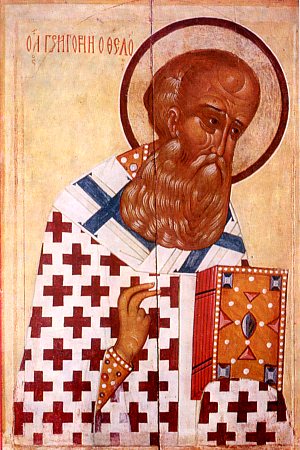
@gregory.nazianzus·about 1 year ago
Vio al Espíritu de Dios que descendía - En el bautismo de Cristo, se revela la Trinidad: Padre, Hijo y Espíritu Santo.
Traducido del inglés
#trinity
Asistente Bíblico
Matthew 3KJV
Nuevos chats privadosLee con más contexto.
Pregunta sobre el texto que tienes abierto o elige un punto de partida.