RVA · Capítulo 1
Isaías 1
Lectura, reflexión y descubrimiento
Selecciona un versículo para leer notas, guardarlo o compartir una reflexión.
Introducción al Libro
Autor: Isaías
Fecha: c. 740-680 a.C.
Isaías profetiza sobre el juicio y la restauración futura de Judá, con extensas profecías mesiánicas. Proclama la santidad de Dios, el Siervo Sufriente venidero y la redención final a través del Mesías.
Temas Clave:
SantidadJuicioMesíasSalvaciónRemanente
1
2
3
4
5
6
7
8
9
10
11
12
13
14
15
16
17
18
19
20
21
22
23
24
25
26
27
28
29
30
31
Escuchar este capítulo▾
Narración
Browser
Verso 1
Auto
Progreso1 / 31
Anotaciones
Selecciona un versículo para ver anotaciones específicas o ver todas abajo
CI
@ci.scofield·3 days ago
Introduction to Isaiah
Isaiah is justly accounted the chief of the writing prophets. He has the more comprehensive testimony and is distinctively the prophet of redemption. Nowhere else in the Scriptures written under the law have we so clear a view of grace. The New Testament Church does not appear (Eph 3:3-10), but Messiah in His Person and sufferings, and the blessing of the Gentiles through Him, are in full vision.
Apart from his testimony to his own time, which includes warnings of coming judgments upon the great nations of that day, the predictive messages of Isaiah cover seven great themes:
Israel in exile and divine judgment upon Israel's oppressors.
The return from Babylon.
The manifestation of Messiah in humiliation (e.g. Chap. 53).
The blessing of the Gentiles.
The manifestation of Messiah in judgment ("the day of vengeance of our God").
The reign of David's righteous Branch in the kingdom-age.
The new heavens and the new earth.
Isaiah is in two chief divisions:
Looking toward the captivities, 1:1-39:8. Key verses, 1:1,2.
Looking beyond the captivities, 40:1-66:24. Key verses, 40:1,2.
These chief divisions fall into subdivisions, as indicated in the text.
The events recorded in Isaiah cover a period of 62 years (Ussher).
— C. I. Scofield, Scofield Reference Bible notes (1917 ed.), text via Wikisource
#commentary
CI
@ci.scofield·3 days ago
“Hear, O heavens” — The chapter, down to verse 23, states the case of Jehovah against Judah. Chastening, according to Deut. 28., 29., had been visited upon Israel in the land (vs. 5-8), and now the time of expulsion from the land is near. But just here Jehovah renews the promise of the Palestinian Covenant of future restoration and exaltation Isaiah 1:26,27; 2:1-4.
— C. I. Scofield, Scofield Reference Bible notes (1917 ed.), text via Wikisource
#commentary
CI
@ci.scofield·3 days ago
“thy judges” — Under the kingdom the ancient method of administering the theocratic government over Israel is to be restored. Cf. Judges 2:18; Matthew 19:28.
— C. I. Scofield, Scofield Reference Bible notes (1917 ed.), text via Wikisource
#commentary
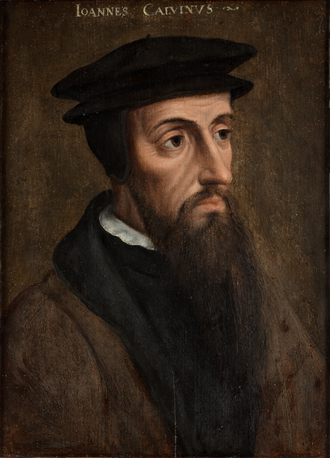
@john.calvin·19 days ago
Come now, and let us reason together [24] The Hebrew word n' (na) is commonly translated I pray, or therefore; but I think that it denotes the confidence of a good cause, and thus is an exhortation, Come.
— John Calvin, Commentaries (16th century, English translation)
#commentary
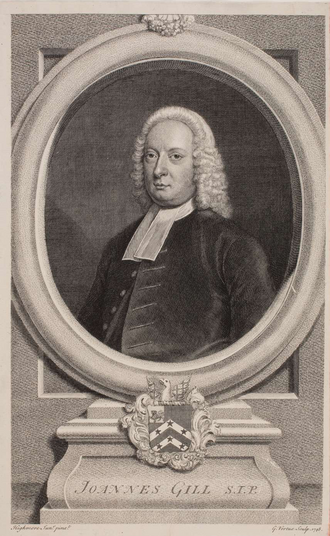
@john.gill·20 days ago
“Come now, and let us reason, together, saith the Lord” — These words stand not in connection either with the preceding or following, but are to be read in a parenthesis, and are thrown in for the sake of the small remnant God had left among this wicked people, in order to comfort them, being distressed with sin.
— John Gill, Exposition of the Entire Bible (1746–63)
#commentary

@ambrose.milan·about 1 year ago
Aunque vuestros pecados sean como la grana, como la nieve serán emblanquecidos - Ningún pecado es demasiado grande para el poder limpiador de Dios.
Traducido del inglés
#cleansing
Asistente Bíblico
Isaiah 1RVA
Nuevos chats privadosLee con más contexto.
Pregunta sobre el texto que tienes abierto o elige un punto de partida.